










Comparison of all types of saunas: How to choose the most suitable one for you

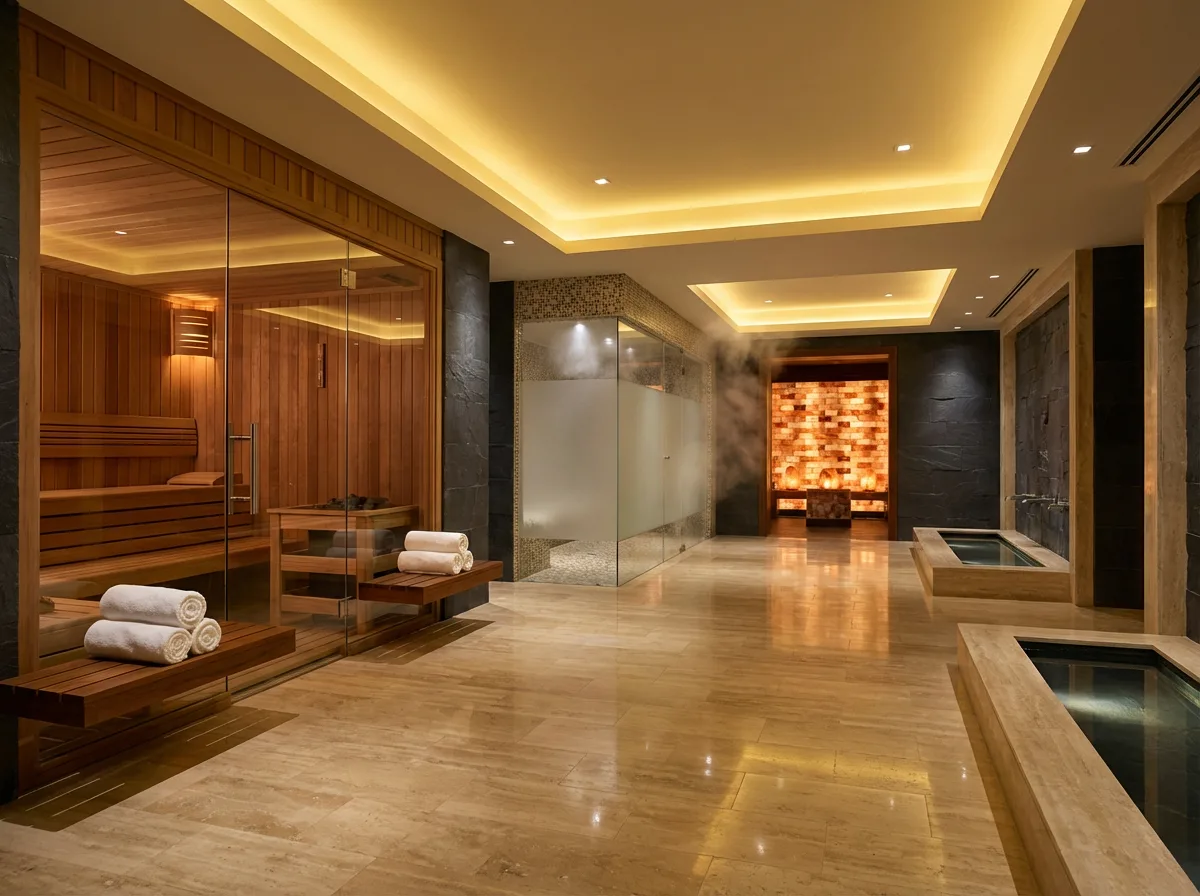
The sauna is one of the oldest and most established methods of heat therapy, but in modern spas it exists in many varieties. Each sauna works with a different combination of temperature, humidity and effects on the body and mind.
Understanding the differences between different types of saunas allows for a more informed choice and a significantly more fulfilling SPA experience.
Finnish sauna – intense dry heat
The Finnish sauna is the classic form of sauna. It works with high temperature and dry air, which leads to rapid warming and heavy sweating.
This sauna is best suited for people looking for a powerful heat effect, a pronounced physical release, and a feeling of “restarting” the body. The stay is usually shorter, and cooling down afterwards is a mandatory part of the ritual.
The Finnish sauna is dynamic, strong and assertive.
Bio sauna – a gentle balance between warmth and comfort
The bio sauna offers a lower temperature and higher humidity than the Finnish sauna. The heat is softer and the air is more pleasant to breathe.
It is suitable for longer stays and for people who prefer a moderate, non-stressful effect. The bio sauna is often used as a preparatory or intermediate area in the SPA itinerary.
This is a sauna for balance, not for extreme sensations.
Aroma sauna – warmth with emotional impact
The aroma sauna builds on the bio sauna by adding subtle aromas. It works not only with heat, but also with the sensory impact of aromas.
It is suitable for people seeking emotional relaxation, stress reduction and a sensory experience. It is softer than the Finnish sauna and more sensory than the bio sauna.
The aroma sauna affects both the body and the psyche.
Infrared sauna – deep warming without high temperature
Infrared sauna is significantly different from all the others. It does not heat the air, but warms the body directly through infrared energy.
The temperature in the room is lower, but the heating is deep and even. This makes it extremely comfortable and suitable for longer stays.
The infrared sauna is an ideal choice for people who cannot tolerate classic heat or are looking for a gentle but effective therapy.
Steam bath – moist heat for gentle relaxation
A steam room is not a sauna in the classic sense, but is often considered in the same context. It operates with high humidity and lower temperature.
The warmth is enveloping and the air is saturated with steam. This creates a feeling of gentle relaxation and comfort, especially for people sensitive to dry air.
The steam room is suitable for long, peaceful relaxation without intense exertion.
Laconium – dry silence and moderate heat
The laconium is one of the most delicate heat zones. It offers dry, moderate and stable heat, without steam and without sudden changes.
This sauna is ideal for long stays, meditative rest and mental relaxation. It does not stimulate sharply, but balances.
The Laconium is the sauna for silence, contemplation and inner peace.
Tepidarium – the transitional thermal zone
A tepidarium is the mildest form of heat therapy. The temperature is low to moderate, and the stay can be prolonged.
This area often serves as a transition between active saunas and the relaxation area. It prepares the body or stabilizes the organism after more intensive procedures.
The tepidarium does not aim for a strong effect, but for fluidity and harmony.
Caldarium – heat for deep relaxation
A caldarium is a warm room with an even and enveloping temperature. The heat is more intense than that in a tepidarium, but significantly milder than saunas.
It is suitable for muscle relaxation and stabilization after thermal procedures. The caldarium occupies a middle ground between active heat and relaxation.
How to choose the right sauna
The choice of sauna depends on several main factors:
- high temperature tolerance
- need for intensity or softness
- desire for physical or mental impact
- time available for the stay
There is no “better” or “worse” sauna – there is one that is more suitable depending on the current condition and personal preferences.
How saunas work together in the spa itinerary
In a well-structured spa itinerary, saunas do not compete but complement each other. Intensive areas such as a Finnish sauna are balanced with gentler ones such as a bio sauna, laconium or tepidarium.
This sequence creates a holistic experience that leads from active stimulation to deep relaxation.