










Pool equipment calculator

This is a question with absolutely precise answers and formulas. This pool equipment calculator shows how to apply them step by step. Detailed foreign-language information from other specialists is abundant on the internet. In Bulgarian, however, it is very scarce and sometimes tendentiously inaccurate. Why is that? When the price of a product is too high and the specifications are similar or even identical, one way to sell it is to offer something relatively cheap on top. This is usually a more powerful filter pump, a second skimmer and other additional equipment. This is how the high price of the main product, in this case the pool, is “justified”. Are they necessary, in which cases, and how much do they cost? We will try to answer with examples in this article.
Pool equipment calculator: how many skimmers are needed?
In Bulgaria it is extremely popular to install multiple skimmers on small pools, and in absurd places at that. Unfortunately, the mistake is repeated constantly by many traders and installers. In many cases the customer themselves requests them, believing they are necessary. Check foreign sources and information from global manufacturers such as Hayward. You will be convinced that this way of thinking is a typically “Balkan” mistake.
 Free online toolDesign your own pool – calculator and 3D generatorChoose the shape, dimensions, lining and equipment – you see the pool in 3D, by day and by night, even on a photo of your yard, and the price instantly.Design now →
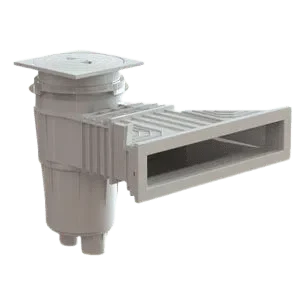
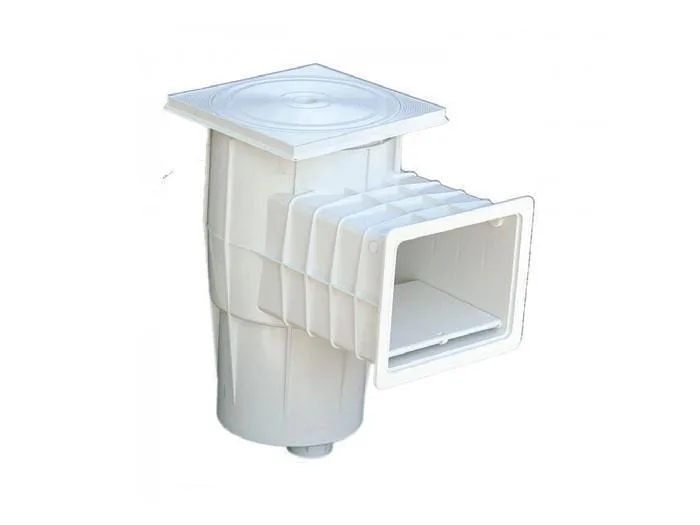
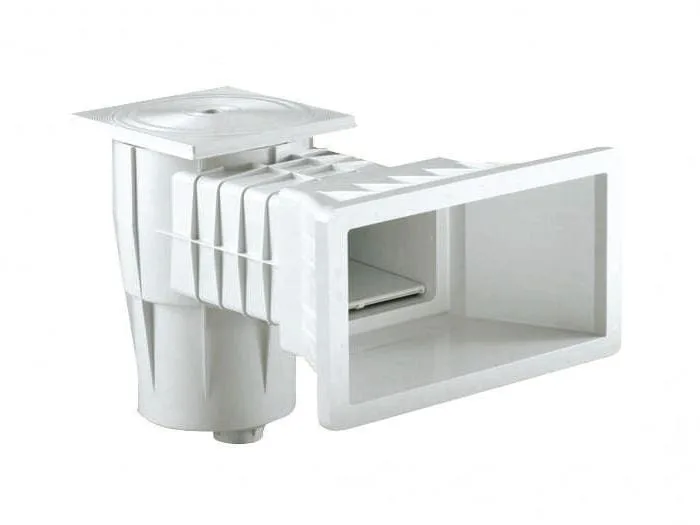
The answer to this question is settled by mathematics and physics. On average, one skimmer is needed per 50 m2. A skimmer with a wider opening is sufficient for 80 m2. A skimmer with the narrowest opening, such as those usually found on prefabricated pools, is entirely sufficient for a pool of about 35-40 m2.
In practice, the problem is not only the unnecessary expense of buying and installing a second skimmer. The disrupted water circulation in the pool is a problem too. More than one skimmer placed too close to another interacts with it and prevents the water from circulating. In this way it reduces the efficiency of the filtration system. If there is only one skimmer, the return nozzle must always be installed below it. When it is correctly aimed, the water in the pool swirls and the skimmer draws it in progressively. A simple experiment with an inflatable ball placed on the surface can illustrate this process.
Unnecessary skimmers – a mistake?
Is installing more than one skimmer in a small area an irreparable mistake? In most cases, no. The skimmer is one of the cheapest parts of a pool, and the cost of buying it is not high. With a good filtration system, a negative effect may not appear at all. But the pool ends up with completely unnecessary equipment that requires maintenance, winterising and regular cleaning. Otherwise it becomes a prerequisite for leaks or poor hygiene in the pool. In some cases, however, one or more skimmers have to be blocked off. Sometimes the pipes or the filter pump also need to be replaced with a more powerful one, because too many skimmers reduce the pressure in the system.
For pools under 50 m2 with regular shapes, it is recommended to install only one skimmer with a standard opening, with a filtration system of 7-14 m3/h capacity. This ensures the necessary pressure for cleaning with a vacuum pool cleaner. In addition, you do not have to go through the laborious task of plugging the second skimmer every time you clean with it.
What filter pump is right for my pool?
The first rule in this pool equipment calculator is the same for all types of pools. The only exceptions are public pools, which are usually subject to the legislation of each different country. The filter pump must have a capacity that allows it to filter the volume of water in the pool in 3-6 hours. Ideally this happens within 4 hours. However, the pump is only a small part of the whole complex filtration system of the pool. Its flow rate is not, and cannot be, fully indicative of the filtration performance.
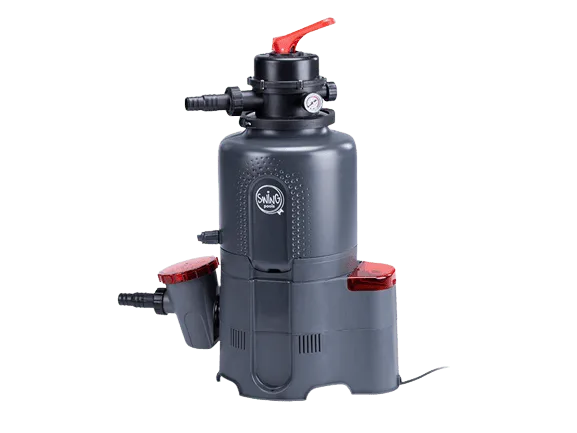
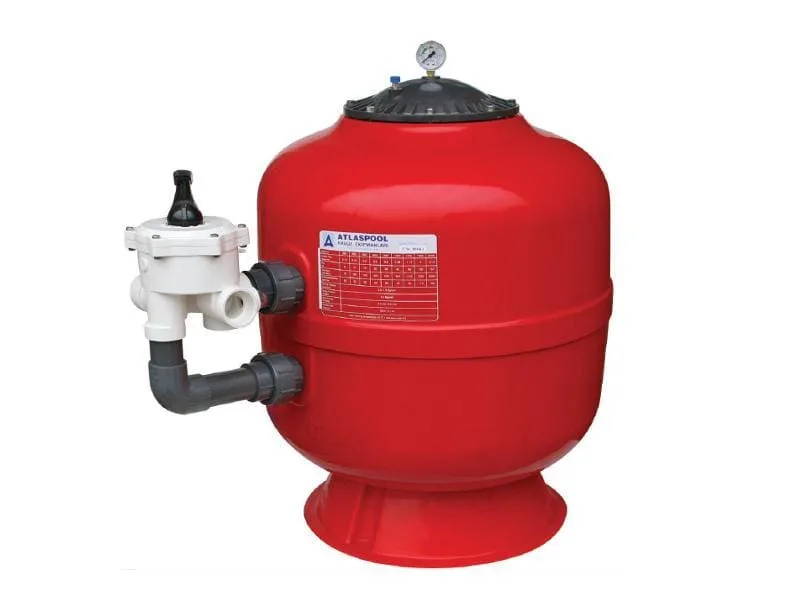
Why? Suppose you have a pump with a capacity of 21 m3/h. If it is connected to a sand filter with a sand capacity of less than 75 kg, the capacity of your pump will not actually deliver even half of the stated figure. The same applies if the pipes have a small diameter and the return nozzle has a small opening. In addition, too high a pressure will build up throughout the filtration system, which is a prerequisite for damaging the equipment. That is also why your electricity bill will swell unpleasantly.
Is it a mistake to install a very powerful pump on a home pool?
Definitely yes. The mistake is no smaller than if the pump is insufficient. You will be paying for the consequences for a long time, burdened by high electricity bills and repairs of the filtration system. If you already have this problem, you can increase the capacity of the filtration system. To do this, add a second return nozzle with the widest possible opening. Replace the pipes if they have a small diameter, and the skimmer with another one that has a wider opening.
Cartridge or sand filter?
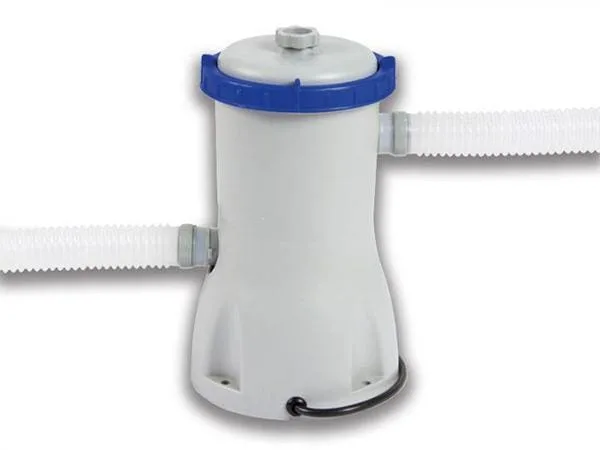
Cartridge filters are also available on the market for small prefabricated and inflatable pools. Avoid buying this type of filtration, despite its low price. In addition, the hygiene in the pool will not be up to standard. Its maintenance is also too expensive, i.e. the consumables, which are the replacement filters, cost a lot. These filters have to be replaced approximately every two weeks, unlike the filling of sand filters, which is backwashed.
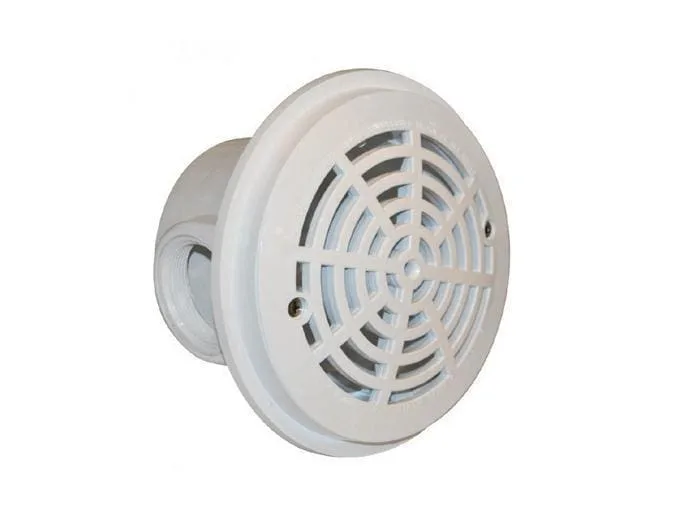
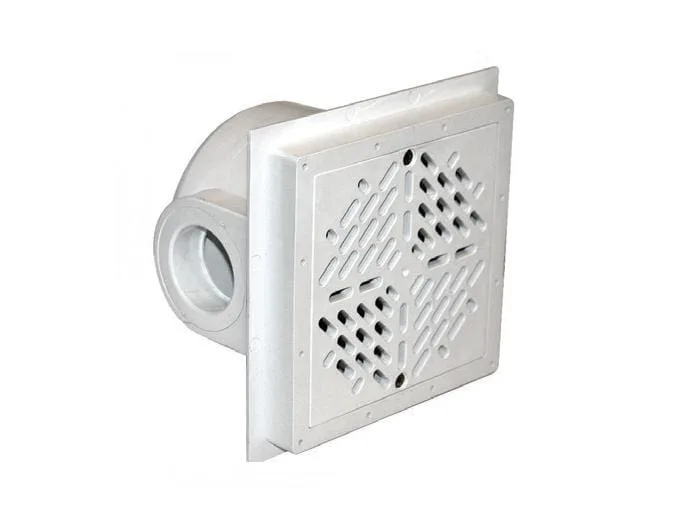
Is a siphon necessary?
After all, a drain siphon is a convenience to the extent that we can empty the pool by turning a single valve. If you are building an Olympic-size pool – yes. If you are building a home pool, the siphon is something that causes quite a lot of headaches. As a part, it costs only a few tens of euros. The ground you have to prepare for it, however, the laying of the pipes and everything else cost a great deal of money and time. In Bulgarian winter conditions, the pipes may burst. There is also the open question that, in a pool with a liner, the liner has to be cut at one more place. Each time the pool is emptied, this is a potential risk of displacement and leaks.
In addition, with an outdoor installation, which most pools are, contamination is difficult to control. Large debris gets into the water, builds up in layers and clogs the pipes. If these pipes are outside the pool, they can be replaced more easily. When they are under it, however, a large part of the concrete base has to be broken up. When that happens, you will have to accept that you have invested in a system which, in order to use it, you have to demolish the pool.
Siphon for a prefabricated pool with a liner
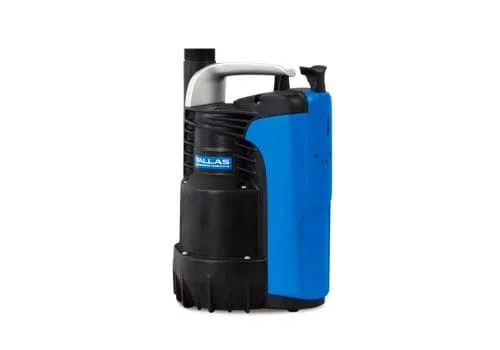
For these reasons, it is accepted that in home prefabricated pools with a liner, a siphon is not necessary to facilitate maintenance. All sand filters are equipped with a drain function. The drain water can be directed to the sewer, another waste water location or wherever you wish via a hose connected to the filter in just seconds. Even in the absence of a sand filter, submersible pumps are many times cheaper and easier than building a siphon. Remember that you do not drain your pool every day. This is only necessary for repairs or major cleaning. Fresh water is not useful for bathers in it, as it contains minimal amounts of chlorine, which are immediately consumed. In addition, it requires complete treatment with pool chemicals to be safe for bathing.
We should also note that installing a siphon requires a set of documents for connection to the sewer network. Only then can it be legal. In many places such a network does not exist. You then risk being fined for unauthorised discharge from the siphon’s drain pipe.
Is it a mistake to install a siphon on a prefabricated home pool? We wouldn’t call it a mistake, but a matter of conviction as to how practical and useful it is.
What pipes should I choose?
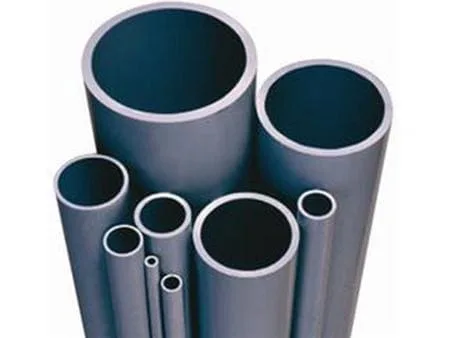
Until recently, only rigid PVC pipes were used in pool construction. These are the so-called “thick-walled” pipes with a PN 10 or 16 rating, made of polypropylene. This distinguishes them from ordinary plumbing pipes and makes them able to withstand higher pressure. In recent years, rigid PVC pipes have been used only in certain places along the pipe run. It is recommended that these be the skimmers and nozzles, the filter chamber before and after the filter pump, and any other place expected to bear higher pressure.
Flexible FlexFit pipes
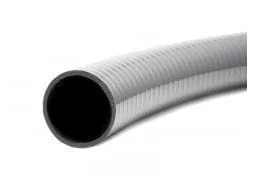
There is no dispute on this question, because FlexFit flexible pipes combine all the positive characteristics of both the hose and PVC pipes. They surpass both in durability and frost resistance. They are as strong as PVC pipes and withstand high pressure, without having to be inserted into other pipes as hoses are. At the same time, they are almost as flexible as a hose. If flexible pipes do not fit your budget, for a prefabricated pool of up to 45 m3, corrugated hoses are a better and more practical option than PVC pipes.
Why? Because if a hose bursts, for example after an earthquake, you can easily pull it out of the pipe it is laid in and replace it without digging everything up. Hoses are flexible and, if residual water remains in winter, they are unlikely to burst, unlike PVC pipes. In addition, hoses have a minimal number of connections and the risk of leaks is reduced to a minimum. If the pool is small or medium-sized, it does not require a powerful filtration system or a wide diameter of the conducting elements. In that case, hoses with a diameter of 32 mm and 38 mm are the most suitable option. They are universal for pools, and all European equipment manufacturers follow this standard.
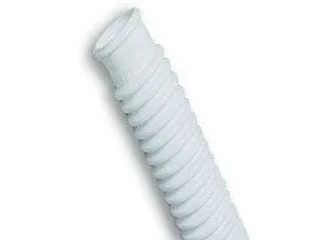
Pool equipment calculator: pipe diameter
Regarding the pipe diameter – for pools up to 60-70 m3, Ø50 mm pipes are used. The reason is that this is the standard connection diameter for almost every embedded element or equipment that you will later add to the pool, such as heat pumps, salt electrolysis systems and others. For a larger volume of water, pipes of the next diameter, Ø63 mm, are used. For large public swimming pools, 90 and 110 mm are used, and larger. In this case design is mandatory, and the Spatial Planning Act requires a building permit for pools over 100 m3.